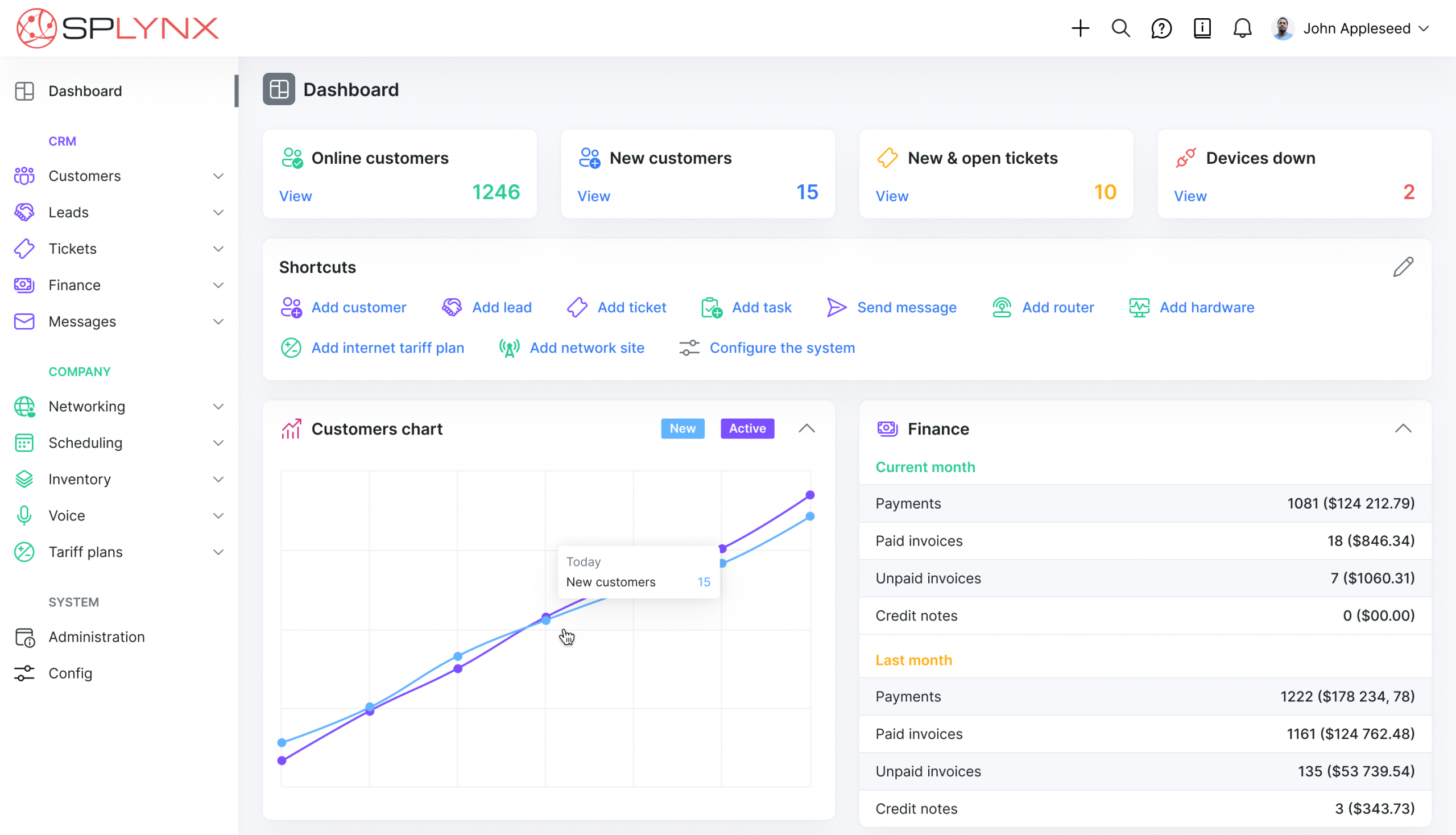
Discover what Splynx does for your broadband business: billing, network management, CRM, support and field work in one platform, with every feature in one license. See whether it is the right fit for you.
 4.8 Average Rating


Most ISP billing tools advertise the same features. What separates them: how configurable the system is, how much access you have, and whether anyone picks up when you call


Splynx features native integrations with your most-used tools, including netElastic, MikroTik, Ubiquiti as well as NetSuite, Sage, Quickbooks
A closer look at what broadband businesses use in Splynx every day.
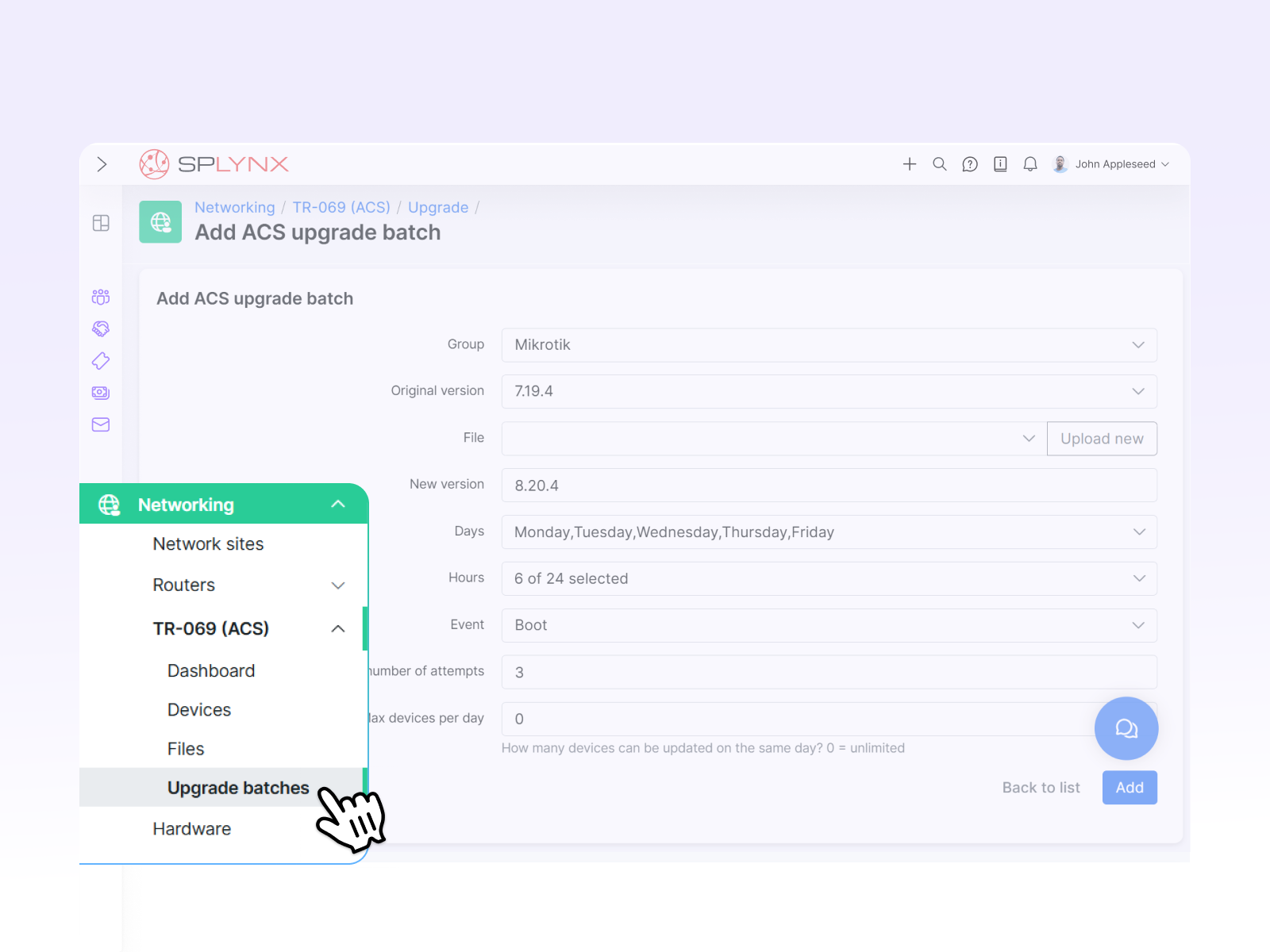
With the TR-069 ACS add-on, Splynx provisions a new router on its first connection, upgrades firmware on selected devices in one action, and lets subscribers reboot their own router from the portal. Fewer trucks. More uptime.
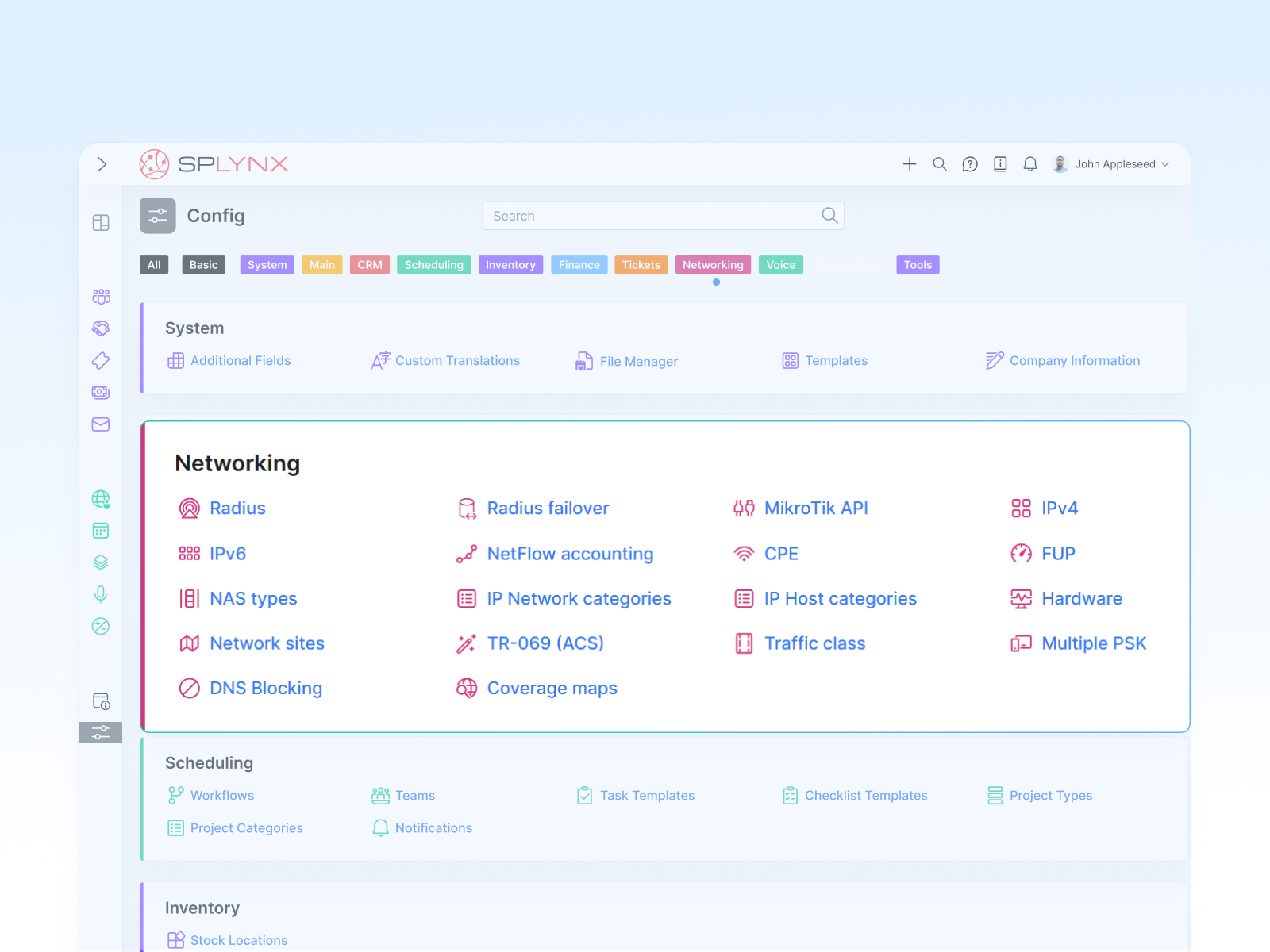
FreeRADIUS ships bundled and pre-configured with Splynx: PPPoE, IPoE, MAC authentication and IPv6 delegation work with RADIUS-compatible hardware from any vendor. When an invoice goes unpaid, the customer can be blocked automatically and redirected to a page where they can pay.
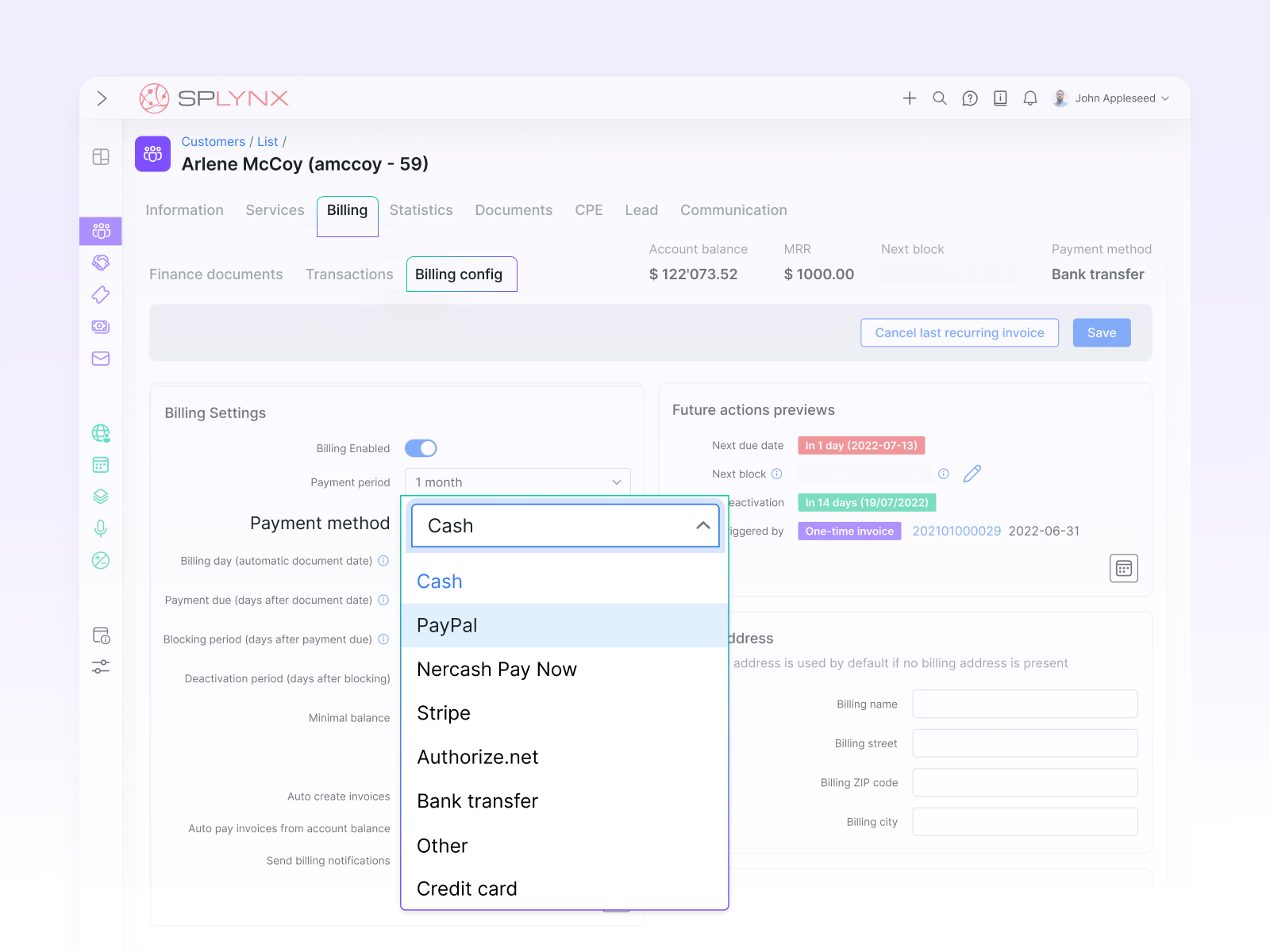
Splynx integrates with 17+ payment gateways, including Stripe, GoCardless, SEPA, Safaricom M-PESA, PayFast, Paystack and Moneris, plus accounting sync with Xero, QuickBooks, Sage, NetSuite and Zoho. Prepaid, usage-based and VoIP charges can go on one invoice.
Splynx publishes its prices: $255 per month for up to 400 active subscribers, including hosting, updates, technical support and every feature. The license grows in steps of 100 subscribers, and paying yearly takes 10% off the license. Estimate your cost in the pricing calculator.
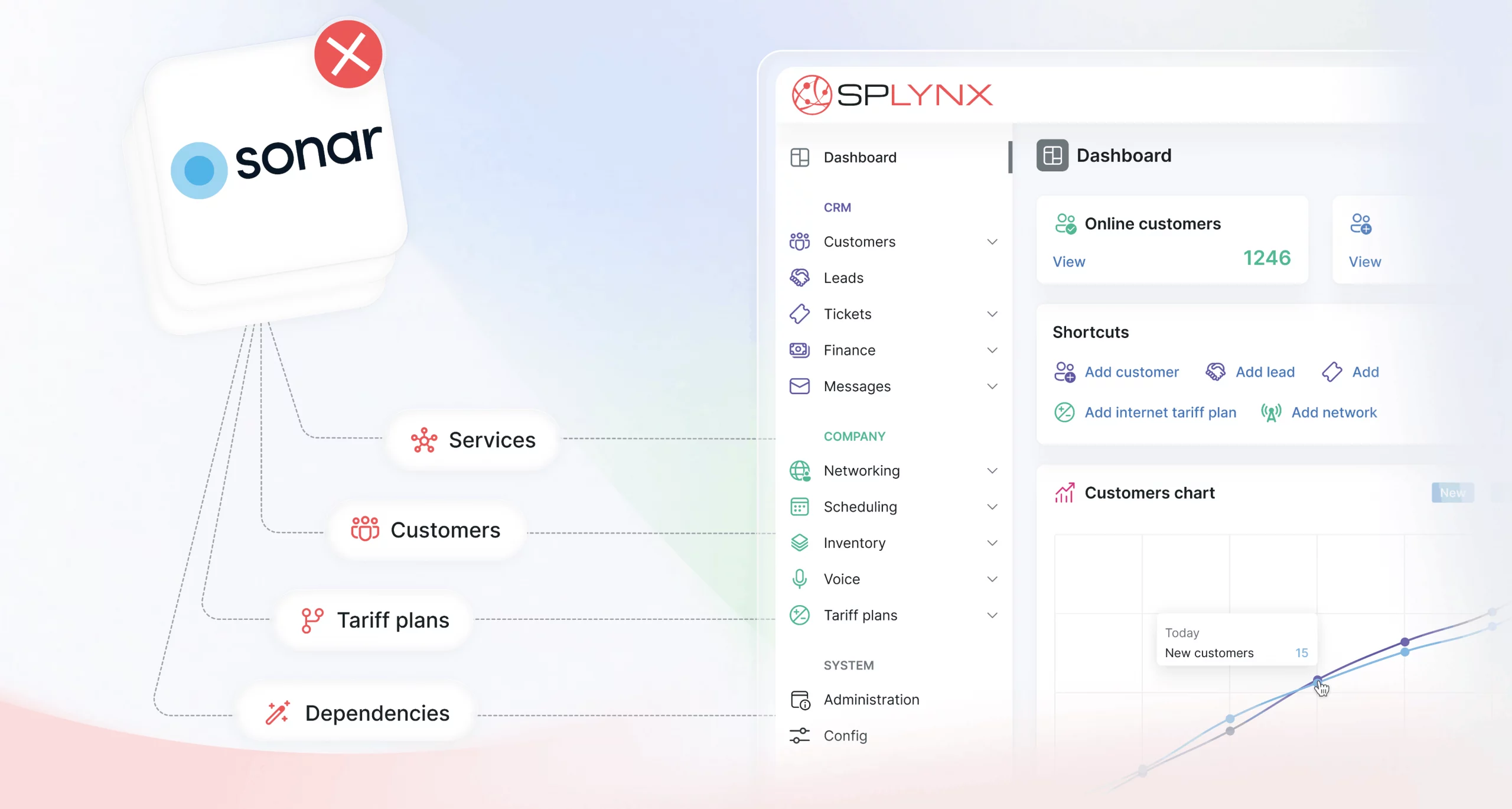
We help you migrate your data (Tariff plans, Customers, Services) without stress or disruption to daily operations.
How does Splynx pricing compare with Sonar Software?
Does Splynx support WISP networks?
Does Splynx offer a free trial?
Can I migrate from Sonar to Splynx?
What should I check when choosing ISP software?
Which features are included in the Splynx license, and which add-ons are paid?
Does Splynx have mobile apps?
Does Splynx support AI and MCP?
Can I host Splynx on my own server?